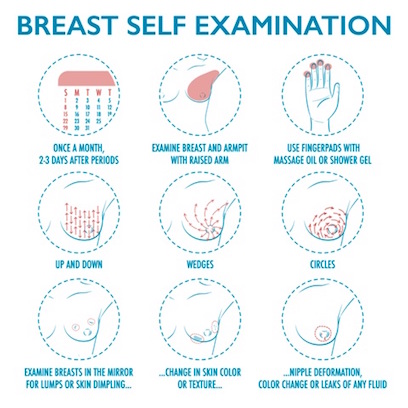
Self Examination
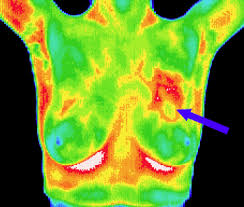
Thermal Imaging
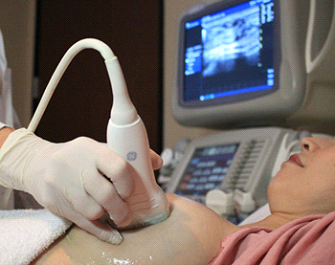
Ultrasound
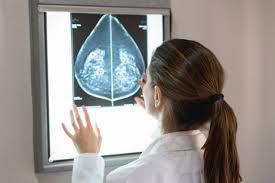
Mammography
Methods to detect Breast Cancer
Breast cancer is curable if detected early. Here are 5 best methods to detect breast cancer.
Self Test
Follow routine check of breasts, while taking shower. If you notice any lump, bleeding, dimple, discolouration of breast, contact your doctor for further tests. DO NOT IGNORE EARLY SYMPTOMS.
Thermography
Thermography is a new technique, which involves thermal imaging of Breasts. In this technique thermal images are taken, and using AI and machine learning techniques cancer possibilities are determined. This method is safe, and does not involve any radiation. Thermal imaging method can be repeated multiple times since it is not harmful, and can help detect cancers at a very early stage.
Ultrasound
Ultrasound involves sound reflection technology and imaging of breasts based on sound waves. Ultrasound can detect potential growth within breast cells, and good ultrasound technician can identify breast cancer in a early stage. It is recommended to do this detection, if any growth is identified during self examination or by thermal imaging.
Mammography
Mammography technique is one of the final set of tests recommended by oncologists. In this test breast x-rays are taken, and image is reviewed for dense tissue growth or nodules within the breasts. If any suspicious growth is detected, patients are recommended for further tests such as biopsy test. Mammography is considered as gold standard in breast cancer detection. But it has X-ray radiation and hence it cannot be repeated often as other tests.
Biopsy Test
If Ultrasound and Mammography tests indicate possibilities of breast cancer, then Biopsy test is prescribed. Small portion of breast cells are extracted using a needle, and verified under microscope. If cells are malignant (malformed and rapid dividing type), it will be confirmed as cancer.
Learn moreDisclaimer: This content, including advice provides generic information only. It is in no way a substitute for qualified medical opinion. Always consult a specialist or your own doctor for more information.