Paying tribute to Dr. Rukhmabai Raut on her 153rd birth anniversary
The lady who became a symbol of women empowerment
Today marks the 153rd birth anniversary of Dr Rukhmabai Raut, one of the first practising women doctors, also one of the longest practising women physicians of colonial India and the lady who stood up against a major social issue during that time- child marriage.Born to a Maharashtrian family of Carpenter community, Rukhmabai lost her father at a tender age of 8 and was married off to Dadaji Bhikaji at the age of 11. She, however, decided to stay at her home and pursue her education- a decision which was also supported by her step father Dr. Sakharam Arjun. Her husband obtained legal help and claimed that Rukhmabai was being kept away so that she could assert the rights to her father's property. With that began a landmark legal battle between Dadaji Bhikaji and Rukhmabai with Bhikaji seeking "restitution of conjugal rights."
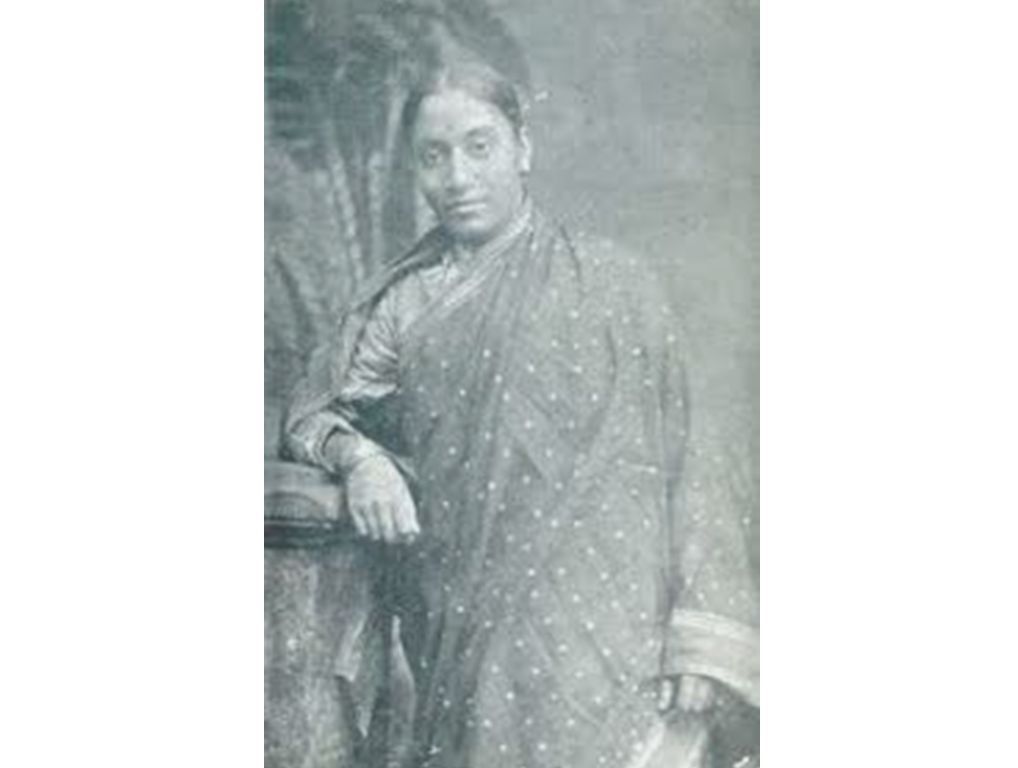
In 1889, Rukhmabai went to England to study at the London School of Medicine for Women. During this phase too, she struggled to raise fund for her education. In 1894, she graduated from the School of Medicine and returned to India. She also established the Rukhmabai Defence Committee with the help of others for various social causes including the Purdah system.
In 1918, Rukhmabai rejected an offer to join the Women's Medical Service and joined a state hospital for women in Rajkot. She served as the chief medical officer for a total of thirty-five years before retiring in 1930.
Throughout her life, she continued to serve mankind while also throwing light on archaic practices that needed to be abolished. She became a symbol of women empowerment during her lifetime and passed away at the age of 91 on September 25, 1955.